Exploring the cultural dimensions of gambling across different societies
The Historical Context of Gambling
Gambling has deep historical roots that can be traced back to ancient civilizations. Archaeological findings suggest that the practice was common among early Chinese, Egyptians, and Greeks, where it was often associated with rituals and social gatherings. These cultures utilized gambling not just for entertainment, but as a means of social bonding, often entwining it with spiritual beliefs. For instance, dice made from animal bones were discovered in China, indicating that chance was regarded as an integral part of human experience. Today, many people find their luck with the best bet in various gaming scenarios.

The historical significance of gambling extends beyond mere leisure; it has often played a crucial role in economic transactions. In ancient Rome, for example, gambling was widely accepted among the elite and was even linked to military campaigns and political strategies. The Romans believed that luck could influence outcomes in both war and peace, reflecting a complex relationship between chance and fate. This intertwining of gambling with historical events laid the groundwork for its evolving role in society.
As societies advanced, so did the perception of gambling. During the Middle Ages, the church condemned gambling, associating it with sin and vice. However, this disapproval did not eliminate the practice; instead, it transformed gambling into a clandestine activity that persisted through societal changes. The Renaissance period witnessed a revival of interest in gambling, leading to the establishment of public gaming houses and the development of modern casinos, which have now become central to cultural and economic life worldwide.
Cultural Attitudes Towards Gambling
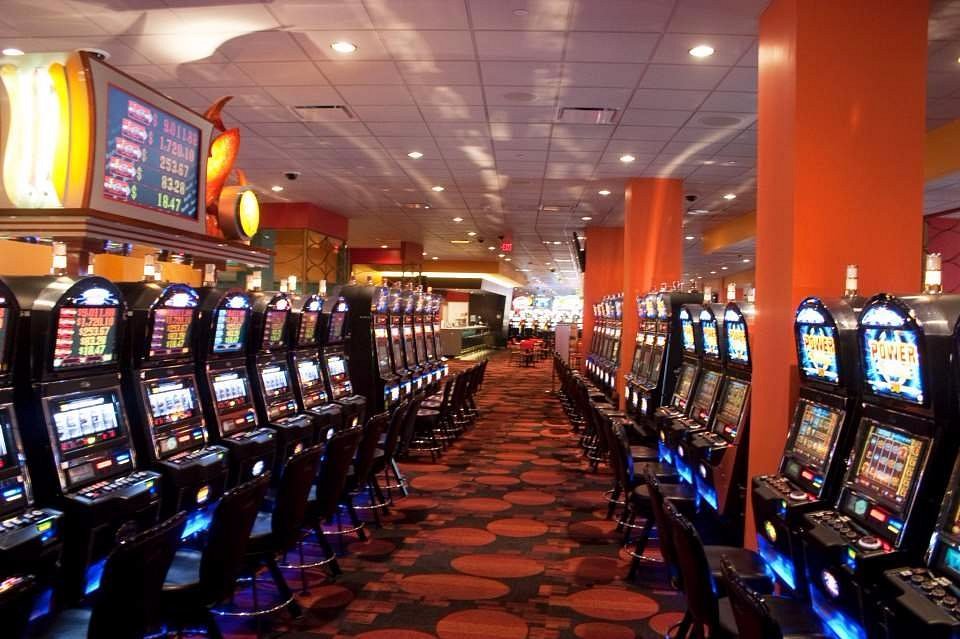
Cultural attitudes towards gambling vary significantly across different societies, influenced by religious beliefs, social norms, and economic conditions. In many Western cultures, gambling is often seen as a form of entertainment and leisure, integrated into the fabric of social life. Casinos and betting establishments are common, offering a wide range of activities from poker to slot machines, reflecting a general acceptance of gambling as a legitimate form of recreation. This normalization has led to vibrant gambling industries in places like Las Vegas and Monaco.
Conversely, in some Eastern cultures, gambling is viewed with skepticism or outright disapproval. For instance, in many Islamic societies, gambling is prohibited under religious laws, which regard it as haram (forbidden). This cultural stance signif
icantly impacts social behaviors and economic practices in these regions, limiting the establishment of gambling institutions and promoting alternative forms of entertainment. Such cultural restrictions have led to underground gambling activities, revealing the complexity of human behavior in relation to societal norms.The nuances in cultural attitudes can also lead to a unique fusion of practices. In countries like Japan, traditional games such as Pachinko have emerged as a form of gambling that incorporates local customs and aesthetics. This melding of culture and gambling showcases how societies adapt and evolve their practices, allowing for a unique interpretation of what gambling means within a cultural context. As global influences continue to shape local cultures, these attitudes may further transform, leading to new expressions of gambling practices.
The Socioeconomic Impact of Gambling
The socioeconomic implications of gambling are profound, affecting not only individual players but also communities and nations. In regions where gambling is legalized, it can serve as a significant source of revenue through taxation and employment. For example, in the United States, states that have embraced gambling have seen substantial increases in tax income, which can be redirected towards public services and infrastructure. This financial impact can be particularly beneficial in areas facing economic challenges, providing jobs and stimulating local economies.
However, the benefits of gambling are often accompanied by negative consequences, including gambling addiction and social inequality. Critics argue that while gambling can boost local economies, it can also lead to a rise in problem gambling, impacting mental health and familial relationships. Community support systems are sometimes strained as families cope with the ramifications of gambling-related issues. Policymakers must navigate the delicate balance between harnessing the economic benefits of gambling and addressing its potential harm.
Internationally, the globalization of gambling has sparked debates on ethical practices and regulatory standards. Countries are now wrestling with how to manage online gambling platforms and their effects on local economies. As the digital age transforms traditional gambling practices, it also poses new challenges for regulation and control, requiring a careful examination of how societies can benefit economically while minimizing the risks associated with gambling addiction and social disparity.
Gambling in Popular Culture
The portrayal of gambling in popular culture has played a significant role in shaping public perception and attitudes towards the practice. Movies, television shows, and literature often depict gambling as an adventurous, glamorous, or risky endeavor, influencing how individuals perceive the activity in real life. Films like “Casino Royale” and “Rounders” glamorize the high-stakes world of gambling, creating a mystique that attracts audiences and perpetuates the notion that gambling can lead to instant wealth and excitement.
However, these representations often gloss over the darker sides of gambling, such as addiction and loss. Documentaries and films that delve into the consequences of gambling addiction highlight the emotional toll it can take on individuals and families, providing a more balanced view of the practice. Such portrayals serve as cautionary tales, reminding audiences of the potential pitfalls associated with gambling, thus contributing to a more nuanced understanding of its complexities.
In addition, the rise of social media and online platforms has revolutionized the way gambling is perceived and accessed. Many users share their gambling experiences through blogs, videos, and social media posts, creating communities that celebrate wins and share strategies. This digital landscape further transforms the cultural dimensions of gambling, making it a more accessible and relatable topic for younger generations who engage with it through technology.
Conclusion and Insight Into the Website
Understanding the cultural dimensions of gambling across different societies reveals a multifaceted practice that extends beyond mere chance. It encompasses historical contexts, varying attitudes, socioeconomic impacts, and cultural representations that shape how gambling is perceived and practiced worldwide. As societies continue to evolve, the role of gambling will likely adapt, reflecting changing norms and values.
This exploration highlights the importance of responsible gambling practices and the need for policies that protect individuals and communities. By promoting awareness and education, societies can
mitigate the risks associated with gambling while celebrating its cultural significance. As we navigate the complexities of this activity, it is crucial to engage in informed discussions that honor the diverse perspectives surrounding gambling and its implications for society.