
Exploring cultural differences in gambling habits across the globe
The Historical Context of Gambling
Gambling has deep historical roots across various cultures, with practices dating back thousands of years. In ancient China, for instance, games of chance were prevalent, including the use of tiles to play games that resemble modern lotteries. Similarly, in ancient Rome, betting on gladiatorial contests was a popular pastime, illustrating how gambling has long been intertwined with social activities. These historical aspects not only highlight the universal appeal of gambling but also showcase the differing values and societal norms surrounding it. For those interested in modern options, Albion bet offers a comprehensive online platform.
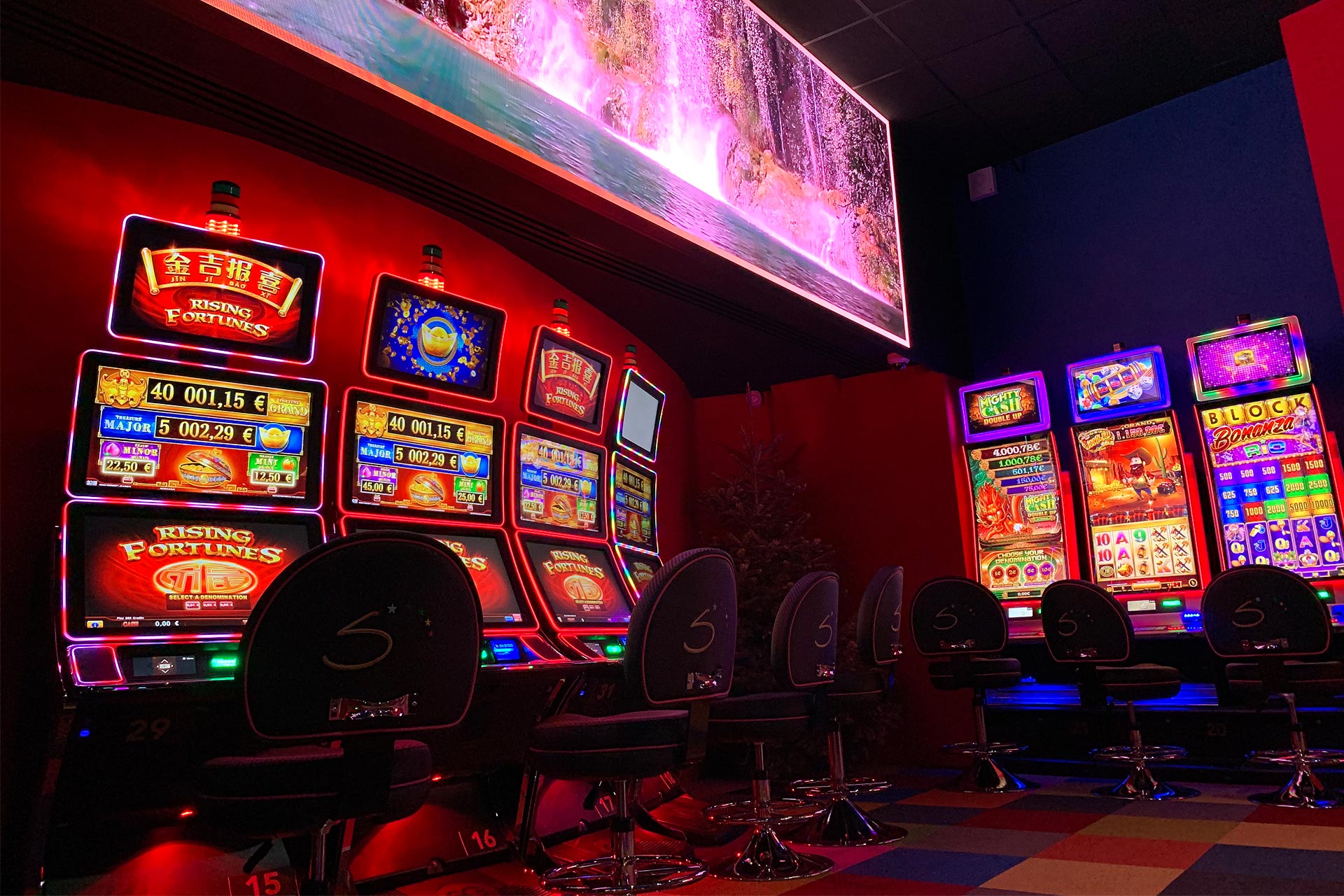
Throughout history, gambling has often reflected the cultural and economic status of societies. In Europe, during the Middle Ages, card games gained popularity among the nobility, while in Asia, traditional games such as Pachinko in Japan and Mahjong in China embodied cultural identities. Each region adapted gambling to fit local customs, creating unique versions that differ significantly in rules and social implications. This historical context provides insight into the contemporary gambling habits observed today, as cultural heritage continues to influence gaming practices.
Moreover, the evolution of gambling has been shaped significantly by laws and regulations imposed by different governments. For example, countries like Sweden have adopted stringent regulations to curb gambling addiction, while others, like the United States, have developed a more laissez-faire approach. These legal frameworks not only dictate the availability of gambling but also influence societal perceptions and acceptance levels, underlining the crucial role of culture in shaping gambling habits.
Regional Variations in Gambling Practices
Gambling practices exhibit distinct variations across different regions, influenced by cultural values, religious beliefs, and societal norms. In Asia, for instance, countries like China and Singapore embrace gambling as a major part of their entertainment landscape, with lavish casinos and organized lotteries. The Lunar New Year, known for high-stakes betting on traditional games, showcases how gambling is deeply embedded in cultural celebrations, making it a communal activity rather than just an individual pursuit.
Conversely, in many Western countries, gambling is often viewed through a more recreational lens. The United Kingdom has a long-standing tradition of betting on sports, particularly horse racing, which is celebrated as a social event. Additionally, the emergence of online casinos has revolutionized gambling in the West, providing greater accessibility and a more casual approach to betting. This difference highlights how regional attitudes towards gambling can shift based on cultural contexts and available platforms.
In Middle Eastern countries, on the other hand, gambling is predominantly restricted due to Islamic laws prohibiting it. Despite these restrictions, underground gambling activities persist, indicating a cultural clash between traditional values and modern desires. This tension reflects how societal norms can shape not just the legality but also the participation levels in gambling activities across different regions, revealing a complex interplay of culture and gambling habits.
The Role of Technology in Gambling Habits
Technology has played a transformative role in shaping gambling habits worldwide. The advent of online gaming platforms has made gambling accessible to a broader audience, transcending geographical barriers. In countries like Canada and the UK, online casinos are thriving, with players enjoying the convenience of playing from home or on mobile devices. This shift towards digital gambling reflects a growing trend, particularly among younger generations who prefer the immediacy and variety offered by online platforms.
In contrast, regions with less technological advancement face different gambling experiences. For example, in rural areas of Africa, traditional betting practices remain prevalent, as many individuals may lack access to the internet or online services. Here, community-based gambling often occurs during social gatherings, emphasizing cultural connections rather than the individualistic approach seen in more technologically advanced regions. This variation illustrates how technology influences not only the mechanics of gambling but also the cultural contexts in which it operates.
Furthermore, advances in technology have also raised concerns regarding responsible gambling. Features such as self-exclusion tools and gambling tracking apps are increasingly integrated into online platforms to promote safer gambling practices. This evolution highlights a shift towards prioritizing player welfare across many cultures, indicating a growing awareness of the potential risks associated with gambling and the need for proactive measures to ensure a sustainable gaming environment.
Cultural Attitudes Toward Gambling
Cultural attitudes toward gambling can significantly shape individual participation and societal acceptance. In some cultures, gambling is celebrated and seen as a thrilling form of entertainment, whereas in others, it carries a stigma. For example, in Australia, a nation known for its robust gaming industry, gambling is often embraced as a legitimate leisure activity, with many social events centered around it. This positive attitude fosters a culture where people feel comfortable discussing their gambling experiences openly.
In stark contrast, many Asian cultures, particularly those influenced by Confucian values, often view gambling as a potential vice that could lead to moral degradation. In countries such as South Korea, where gambling is heavily regulated, societal disapproval can lead to a sense of shame among individuals who participate in gambling activities. This cultural stigma often discourages open dialogue about gambling, reinforcing negative stereotypes and limiting personal exploration of these activities.
Additionally, the impact of religion cannot be overlooked when examining cultural attitudes toward gambling. In predominantly Muslim countries, such as Saudi Arabia, gambling is strictly prohibited, leading to a cultural framework where gambling is not merely frowned upon but actively criminalized. This religious perspective shapes the overall gambling landscape, influencing not only participation rates but also the types of gambling activities that are considered acceptable within those societies.

Albion Casino: A Global Perspective on Gambling
Albion Casino serves as a prime example of how online gaming platforms can cater to diverse cultural preferences while promoting responsible gaming. Launched in 2026, the casino offers a wide variety of games, from traditional table games to innovative slots, appealing to a global audience. Its commitment to user satisfaction reflects an understanding of cultural differences, ensuring that players from various backgrounds find something familiar yet exciting within its offerings.
The platform also emphasizes security and responsible gambling through advanced measures, which are essential in fostering a safe gaming environment. With features that promote self-awareness and control, Albion Casino recognizes the importance of addressing cultural attitudes toward gambling and aims to create an inclusive space where players can enjoy themselves without compromising their well-being.
Through its dedicated mobile apps and flexible payment methods, Albion Casino ensures accessibility across borders, ac
knowledging the varying levels of technological integration in different regions. This global approach not only enhances the gaming experience but also demonstrates a commitment to understanding and respecting the cultural differences that shape gambling habits around the world.