
The evolution of gambling A historical overview of chance and fortune
The Ancient Origins of Gambling
The roots of gambling can be traced back thousands of years to ancient civilizations. Archaeological findings suggest that the earliest forms of games of chance were played in Mesopotamia around 3000 BC. Evidence of dice made from animal bones has been uncovered, indicating that people participated in chance-based activities long before the establishment of formal gambling establishments. These primitive games were likely used for entertainment as well as divination purposes, as the ancients believed that fortunes could be revealed through chance. Today, players often seek similar thrills at modern platforms like https://www.21casinobonus.com.
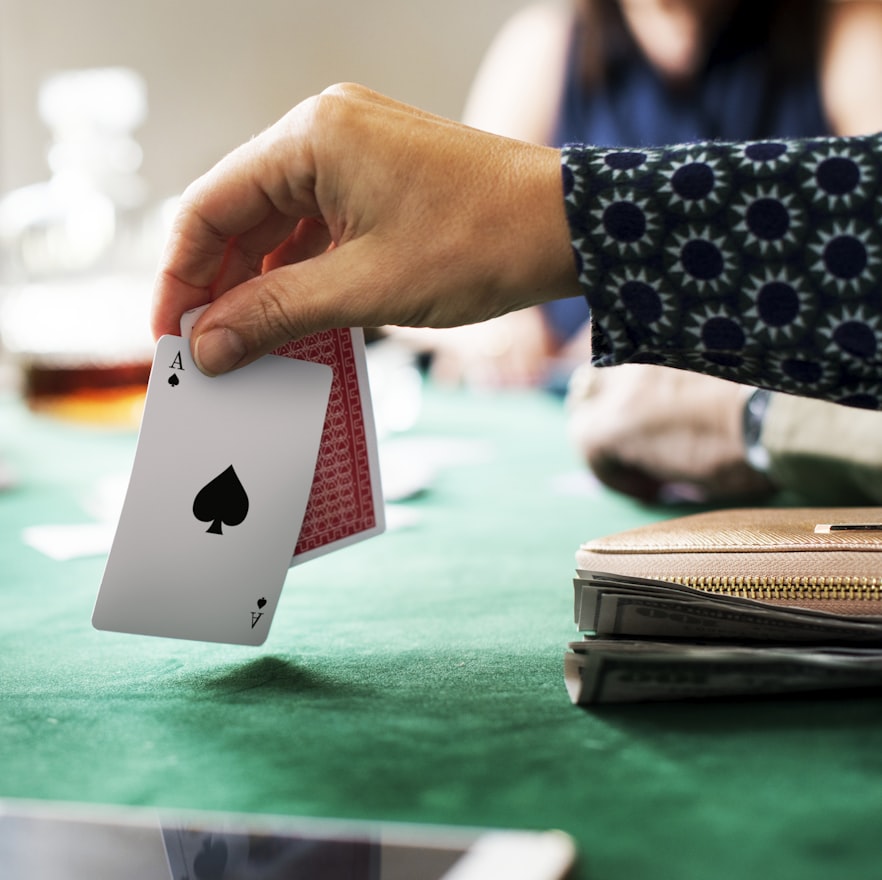
As societies evolved, so did the complexity of gambling activities. Ancient Egyptians engaged in betting on various competitions and games, which were often linked to religious rituals. The Romans further advanced the concept of gambling by organizing public games and betting on gladiatorial
contests. This not only showcased their love for chance but also highlighted gambling as a socially accepted activity, leading to its integration into their culture.The introduction of gaming in these ancient societies set the groundwork for gambling as a social and economic phenomenon. The transition from primitive games to organized betting paved the way for future developments, demonstrating how chance and fortune were interwoven into the fabric of human society. This foundation has influenced gambling trends throughout history, making it a persistent element of culture across different civilizations.
The Rise of Gambling in Medieval Times
The medieval period saw a significant transformation in gambling practices across Europe. With the establishment of various gaming laws and regulations, gambling began to shift from informal gatherings to more structured formats. Gambling houses emerged in cities, where individuals could place bets on a range of activities from dice games to card games. The introduction of playing cards in the 14th century further enhanced the appeal of gambling, as people sought thrills in this new form of entertainment.
During this time, gambling was often associated with the nobility, who embraced it as a leisure activity. Kings and queens participated in high-stakes games, which were often seen as a reflection of their power and status. However, this also led to concerns about gambling’s moral implications, prompting many regions to impose bans on gambling activities. Nevertheless, these restrictions often fueled a rebellious attitude, leading to underground gaming rooms that operated outside the law.
The evolution of gambling in the medieval era laid the groundwork for modern gaming. The combination of structured gambling houses, card games, and emerging social attitudes towards chance created a unique landscape. This period marked a crucial point where gambling transitioned from a social pastime to an organized form of entertainment, foreshadowing the vibrant casino culture that would emerge in the coming centuries.
The Birth of Modern Casinos
The 17th and 18th centuries heralded the rise of the modern casino as we know it today. The first official casino, the Casino di Venezia, opened in Italy in 1638. This establishment set the standard for subsequent gaming houses, combining luxury with gaming experiences. As gambling gained popularity, casinos became social hubs where individuals from various social classes came together to enjoy games of chance while indulging in lavish surroundings.
With the expansion of gambling activities, various games were introduced, including roulette and baccarat, which became staples in casinos. The allure of winning big captivated gamblers, leading to a significant increase in the number of casinos across Europe and eventually in America. The influence of casinos extended beyond entertainment; they became symbols of wealth and extravagance, attracting tourists and locals alike.
The establishment of regulatory frameworks began to take shape during this period, as governments recognized the economic potential of casinos. Licensing systems were developed to ensure fairness and accountability in gaming. This marked a turning point where gambling was not merely a clandestine activity, but a legitimate business, paving the way for the regulatory measures that govern the industry today.
The Digital Revolution in Gambling
The advent of the internet in the late 20th century transformed gambling into a global phenomenon. Online casinos emerged, allowing players to access a wide range of games from the comfort of their homes. This digital revolution made gambling more accessible than ever before, breaking geographical barriers and creating an international marketplace. Players could now engage in poker tournaments or spin the roulette wheel at any time, leading to a surge in participation.
As technology evolved, online gaming platforms began to offer immersive experiences, with live dealer games gaining immense popularity. These games combined the thrill of traditional gambling with the convenience of online access, appealing to a new generation of players. The integration of mobile gaming further revolutionized the industry, enabling users to gamble on-the-go, resulting in an explosion of mobile casino applications.
The digital age has not only changed the way people gamble but also how the industry is regulated. Governments worldwide have implemented laws to protect consumers and promote responsible gaming. Online casinos are now required to provide tools for players to manage their gambling habits, reflecting a growing awareness of the potential risks associated with gaming. This evolution underscores the industry’s commitment to ensuring a safe and enjoyable environment for all participants.
The Future of Gambling: Trends and Innovations
Looking ahead, the future of gambling is poised for further evolution, driven by advancements in technology and changing societal attitudes. In
novations such as virtual reality (VR) and augmented reality (AR) are set to enhance the gaming experience, immersing players in lifelike environments. Imagine stepping into a virtual casino where you can interact with other players and dealers as if you were physically present. Such developments promise to redefine the way people engage with gambling.Additionally, the integration of artificial intelligence (AI) in online gaming platforms is likely to create personalized experiences for players. AI can analyze player behavior and preferences, tailoring recommendations and promotions to enhance user engagement. This level of customization could foster loyalty among players while ensuring a more enjoyable experience.
As the gambling landscape continues to shift, responsible gaming will remain a priority. Operators will need to adapt to the increasing demand for transparency and safety. The focus on providing tools for self-exclusion and limit-setting will be vital in promoting a healthy gambling culture, reflecting a broader commitment to the well-being of players in this rapidly evolving industry.
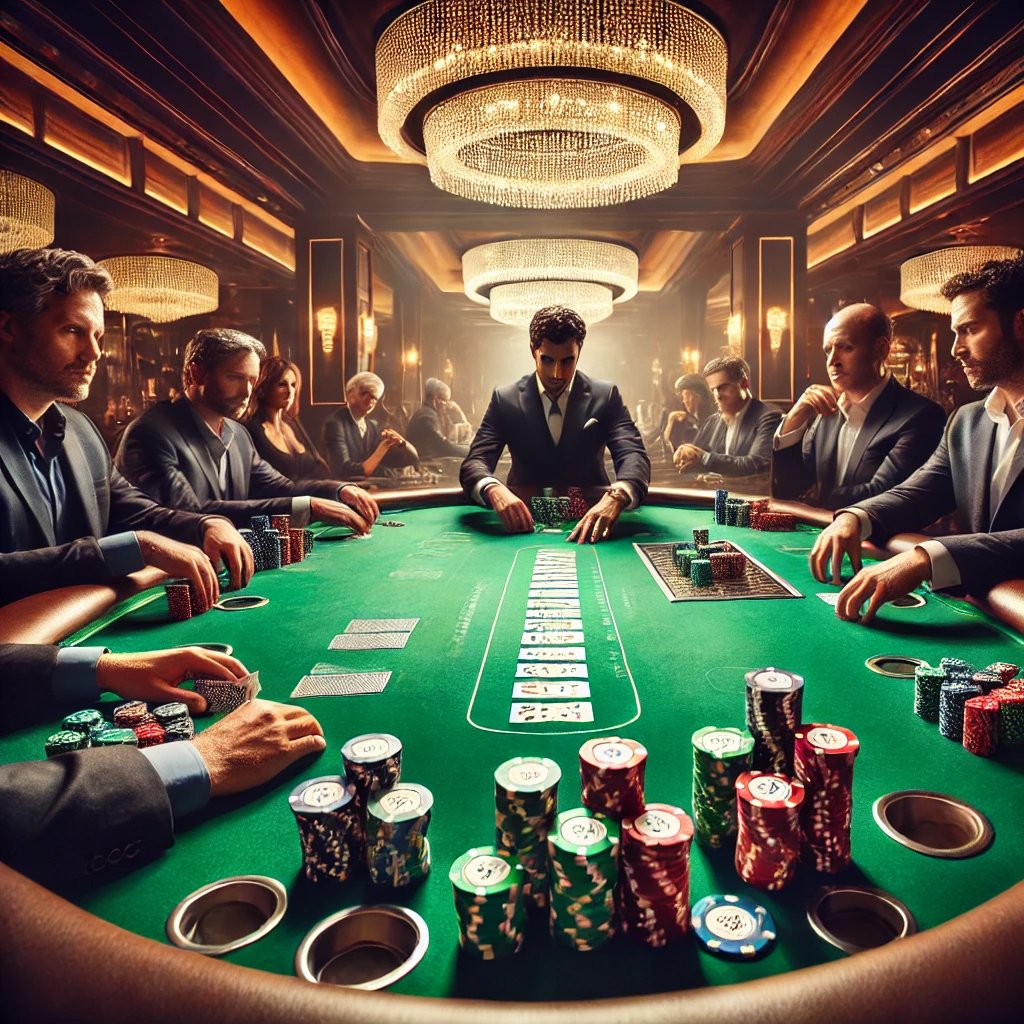
Exploring 21 Casino: A Contemporary Gaming Experience
21 Casino represents the culmination of the evolution of gambling, merging tradition with modern innovations. Established in 2015 and licensed by the UK Gambling Commission, it showcases a vast selection of over 2,000 games from more than 100 renowned software providers. This extensive library ensures that players can choose from a diverse range of gaming options, catering to both casual players and high rollers alike.
Safety and responsible gaming are at the forefront of 21 Casino’s mission. With tools designed to help players manage their gaming habits, the platform underscores its commitment to creating a secure environment for all users. New members can benefit from exciting promotions, including no-deposit free spins, enhancing their gaming experience right from the start.
As a user-friendly mobile site, 21 Casino ensures that players can engage in their favorite games anytime, anywhere. The availability of round-the-clock customer support reflects the casino’s dedication to providing a seamless and enjoyable gaming experience. As the gambling industry continues to evolve, 21 Casino remains a prime example of how tradition and innovation can coexist in a dynamic and engaging environment.