
Understanding the psychology behind why we gamble and its effects on behavior
The Allure of Gambling
The appeal of gambling lies in its ability to evoke a sense of thrill and excitement. Many individuals are drawn to the unpredictability of outcomes and the possibility of a significant financial reward. This unpredictability taps into the human brain’s reward system, triggering dopamine release, which creates feelings of pleasure and satisfaction. In exploring the many factors that contribute to this appeal, it’s worth noting that some players are increasingly interested in new crypto casinos, as they offer unique experiences that further enhance the thrill. The anticipation of winning can overshadow the risks involved, leading people to engage in gambling more frequently than they might initially intend.
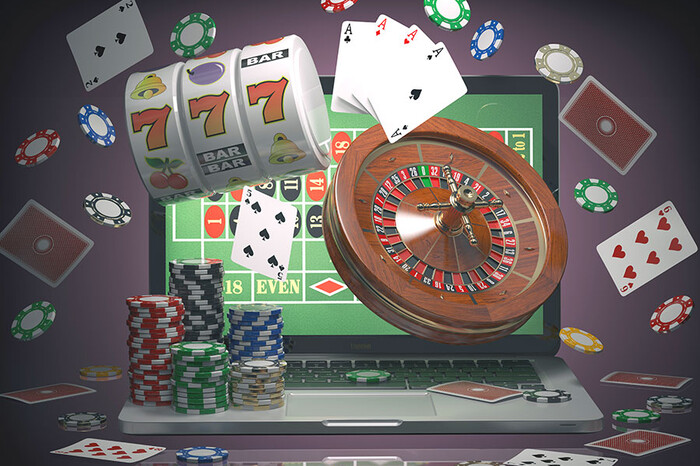
Additionally, the social aspect of gambling contributes to its allure. Games of chance are often communal activities, bringing friends and family together in a shared experience. This social element can enhance feelings of belonging and connection, making it even harder for individuals to resist the temptation to gamble. Understanding these psychological triggers can help explain why gambling remains a prevalent pastime for many.
The Psychological Traps of Gambling
Many gamblers fall victim to cognitive biases that can distort their perception of reality. For instance, the illusion of control leads individuals to believe that they can influence the outcome of random games through skill or strategy. This belief can encourage continued participation, even when the odds are heavily against them. Gamblers may also experience the gambler’s fallacy, where they assume that past events affect future outcomes, further fueling their desire to play.
Moreover, the excitement generated by wins, even if minimal, reinforces the behavior, creating a cycle of gambling that can be hard to break. These psychological traps can lead to compulsive gambling, where individuals prioritize gambling over essential life responsibilities, further complicating their relationship with this activity.
The Impact of Gambling on Behavior
The effects of gambling extend beyond individual behavior, influencing relationships, finances, and mental health. Compulsive gamblers often face significant financial strain, leading to stress and anxiety that can seep into their personal and professional lives. The constant pressure to chase losses can create a turbulent emotional landscape, making it difficult for individuals to find stability.
Additionally, gambling can strain relationships with family and friends. As a person becomes increasingly engrossed in gambling, they may withdraw from social interactions, neglect responsibilities, or even resort to dishonest behaviors to fund their gambling habits. This deterioration of relationships can further exacerbate feelings of isolation and despair.
Paths to Recovery
Recognizing the potential for addiction is the first step toward recovery from gambling-related issues. Various treatment options are available, including therapy, support groups, and self-help resources. Cognitive-behavioral therapy (CBT) has proven particularly effective, as it addresses the distorted thinking patterns that fuel gambling behaviors. By altering these thought processes, individuals can develop healthier coping mechanisms.
Support groups provide a sense of community and understanding for those affected by gambling addiction. Sharing experiences with others who face similar challenges can foster hope and motivation for change. Recovery from gambling addiction is a journey, often requiring ongoing support and commitment, but it is achievable with the right resources and determination.

About Georgeforny.com
Georgeforny.com aims to be a valuable resource for individuals seeking information and support regarding gambling issues. With a focus on education and recovery, the site offers insights into the psychological aspects of gambling and the pathways to healing. Although currently experiencing technical difficulties, its commitment to providing guidance and assistance remains steadfast.
Users are encouraged to revisit the site for updates and resources that can empower them in their journey toward recovery. Understanding the complexities of gambling can lead to informed choices and healthier behaviors, fostering a more balanced life free from the grips of addiction.